Aligned: From Founding Insight to Shipped Product
  • Founder
  • May 2018 – June 2021
  • User Interface Design
  • Interaction Design
  • Visual Design
  • Information Architecture
T
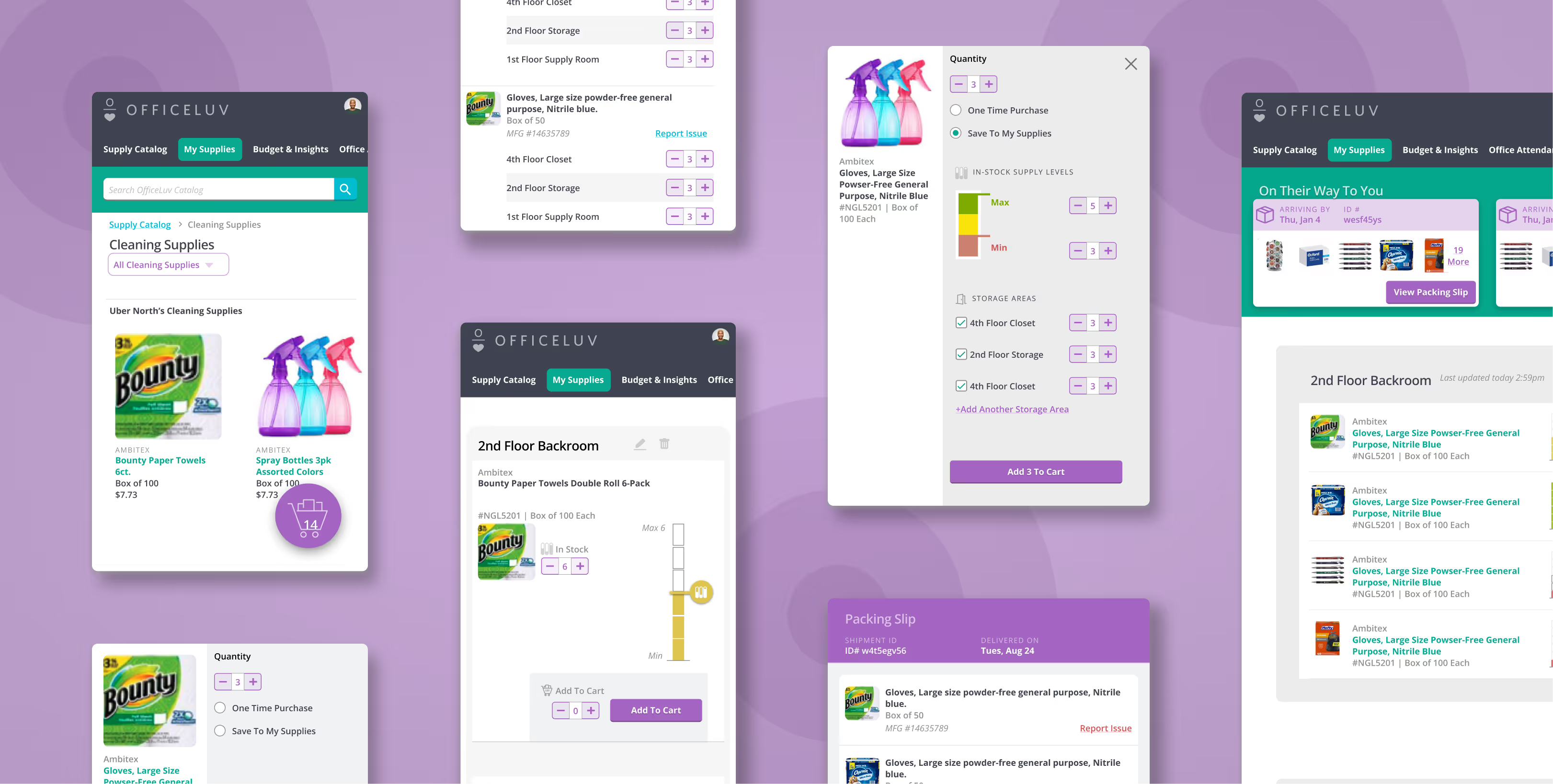
his project entailed the creation of an office management platform within a stringent three-month timeframe, necessitating close collaboration across various teams, including Engineering, Product, Account Management, and Product Requisition.
The Problem Wasn't Meetings.
It Was Everything Around Them.
User Research • Product Strategy
The meeting software space was crowded. Through user interviews and workflow analysis, two distinct user types emerged with distinct frustrations — and neither was being well-served.

Managers were drowning in coordination overhead: scheduling, distributing agendas, following up on action items after the fact. Makers were losing their highest-value work hours to meetings they couldn't prepare for, control, or recover from efficiently.

Aligned had to serve both user types without adding to the cognitive load of either. That tension became the central design constraint — and it shaped every decision that followed.
Structure Before Screens
Product Strategy • Content Organization • Info Architecture
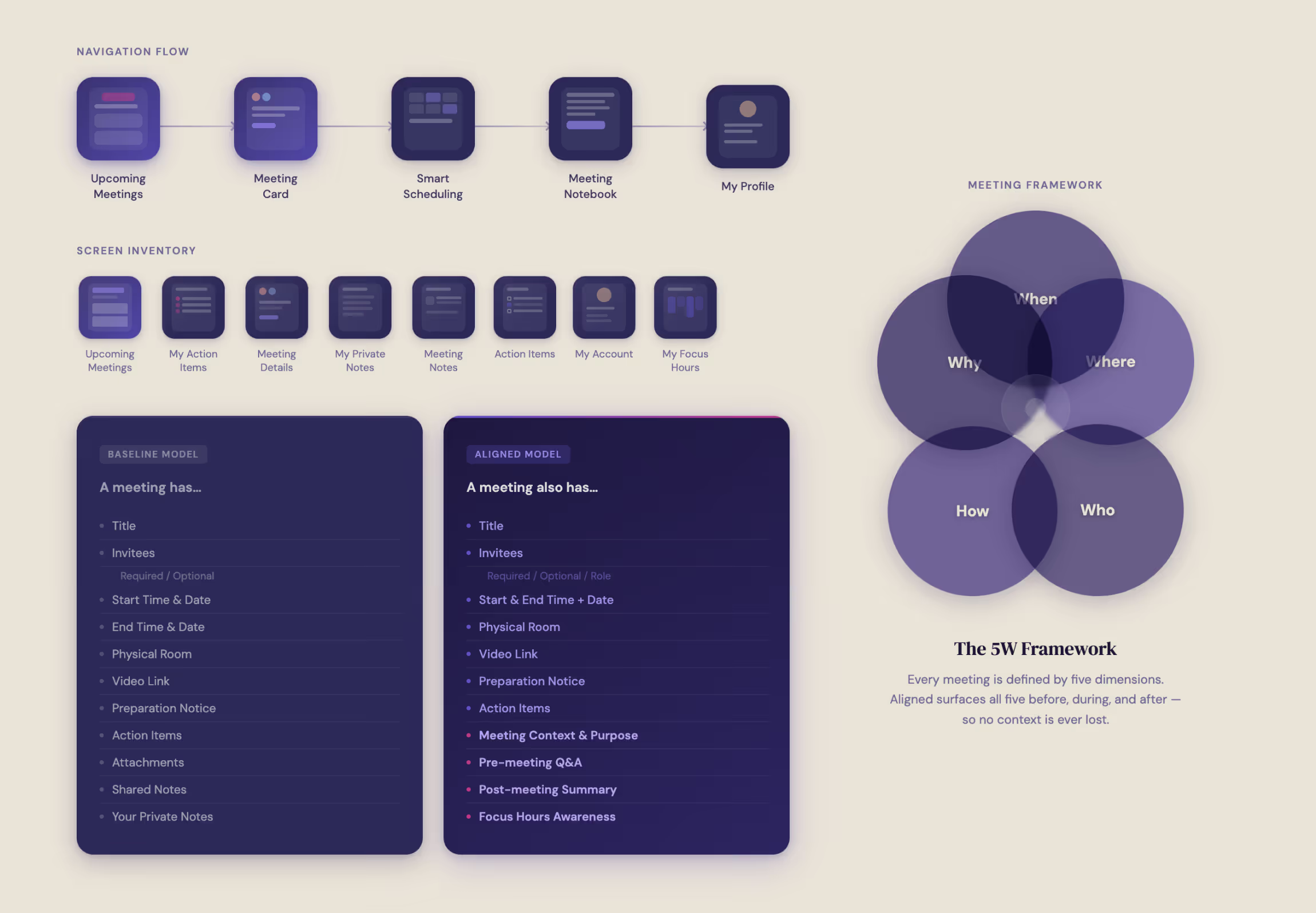
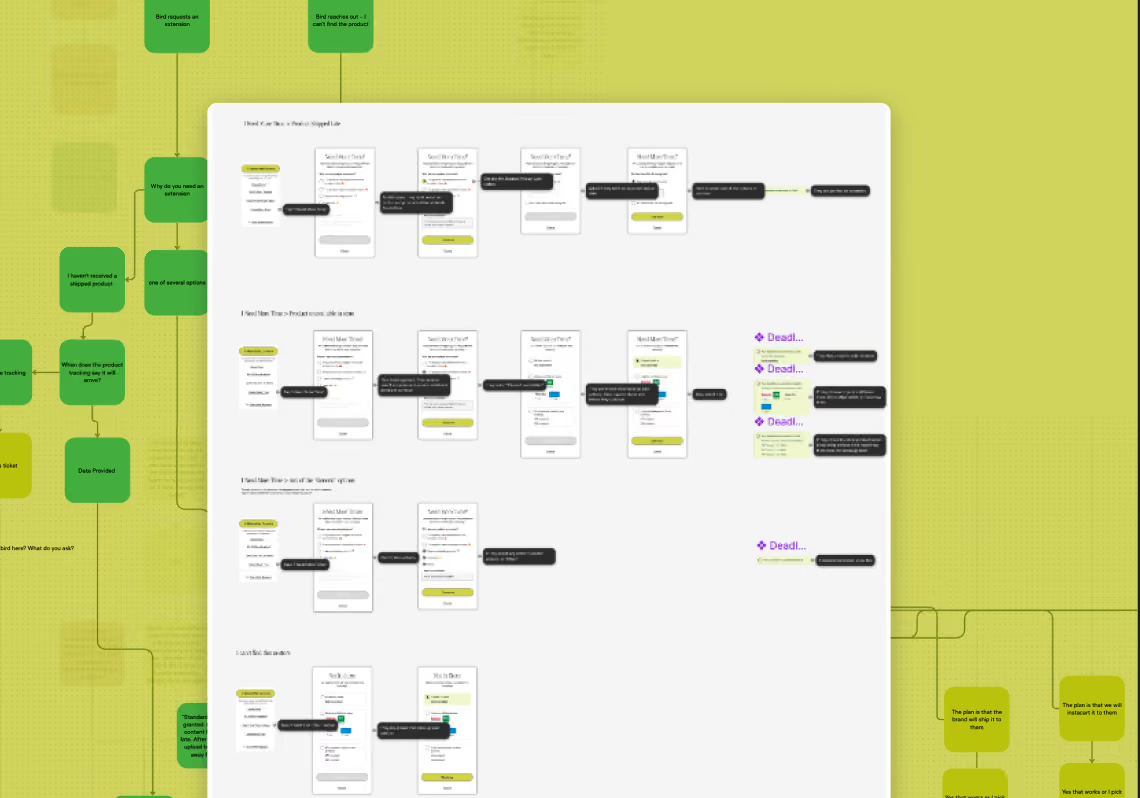
Before touching interface design, I mapped the full information architecture — every piece of data the product needed to surface, who needed it, when, and in what context.

This kind of structural work is easy to skip when you're moving fast. It's also how you end up solving problems screen by screen instead of once.
The Biggest Barrier Wasn't Competition.
It Was Habit.
Product Strategy • User Experience Design
The single biggest threat to Aligned wasn't another product. It was the "another app to look at" problem. If users had to change their workflow to get value, most wouldn't. Research confirmed it early.

So Aligned wouldn't ask people to come to it. It would go to them.

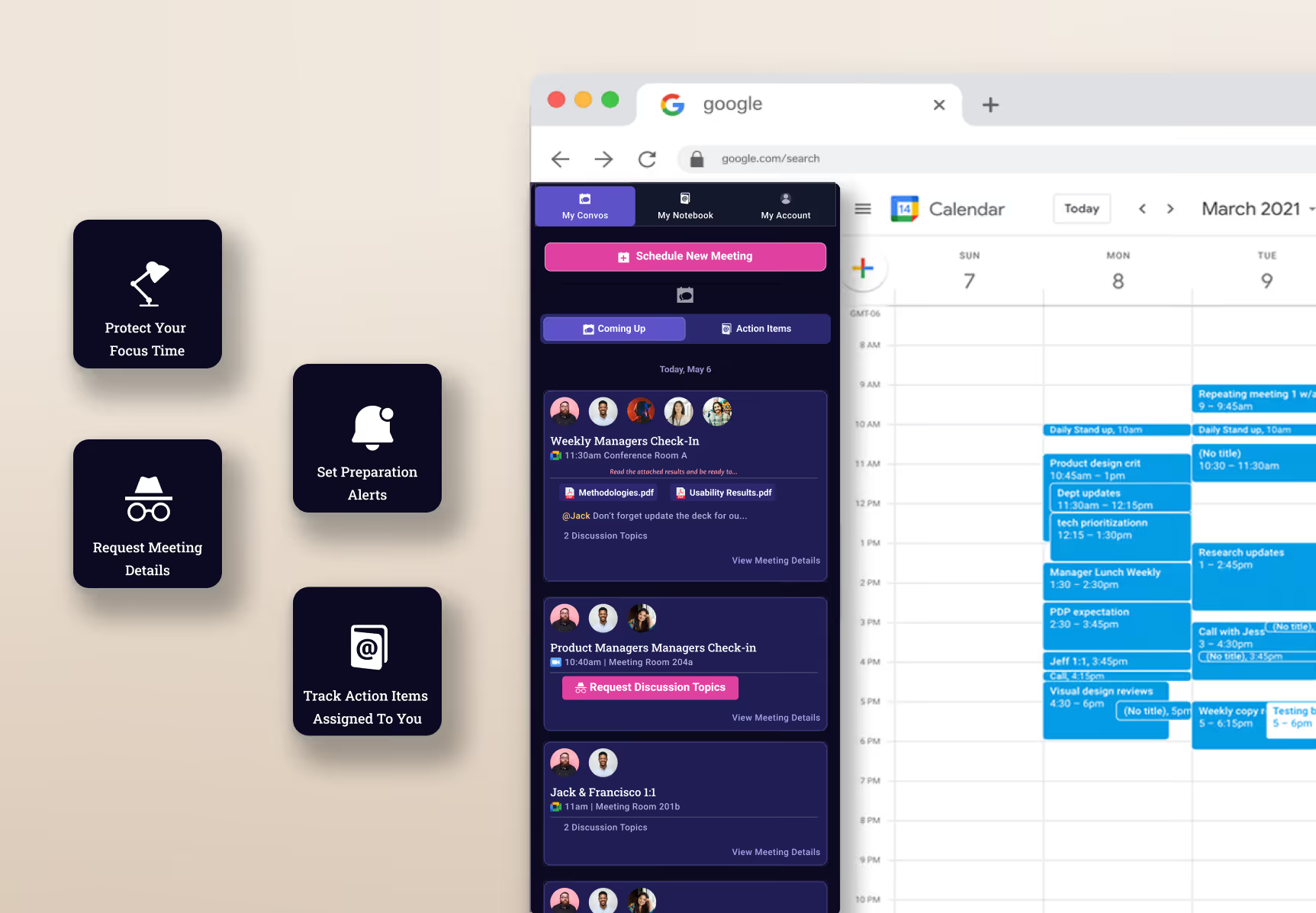
I designed it as a Chrome extension that drops a React app directly alongside Google Calendar — same tab, same flow, no context switching. The integration wasn't a technical constraint. It was the UX strategy.
One Card Per Meeting.
Shared Automatically.
Always in Sync.
User Experience Design • User Interface Design • Visual Design
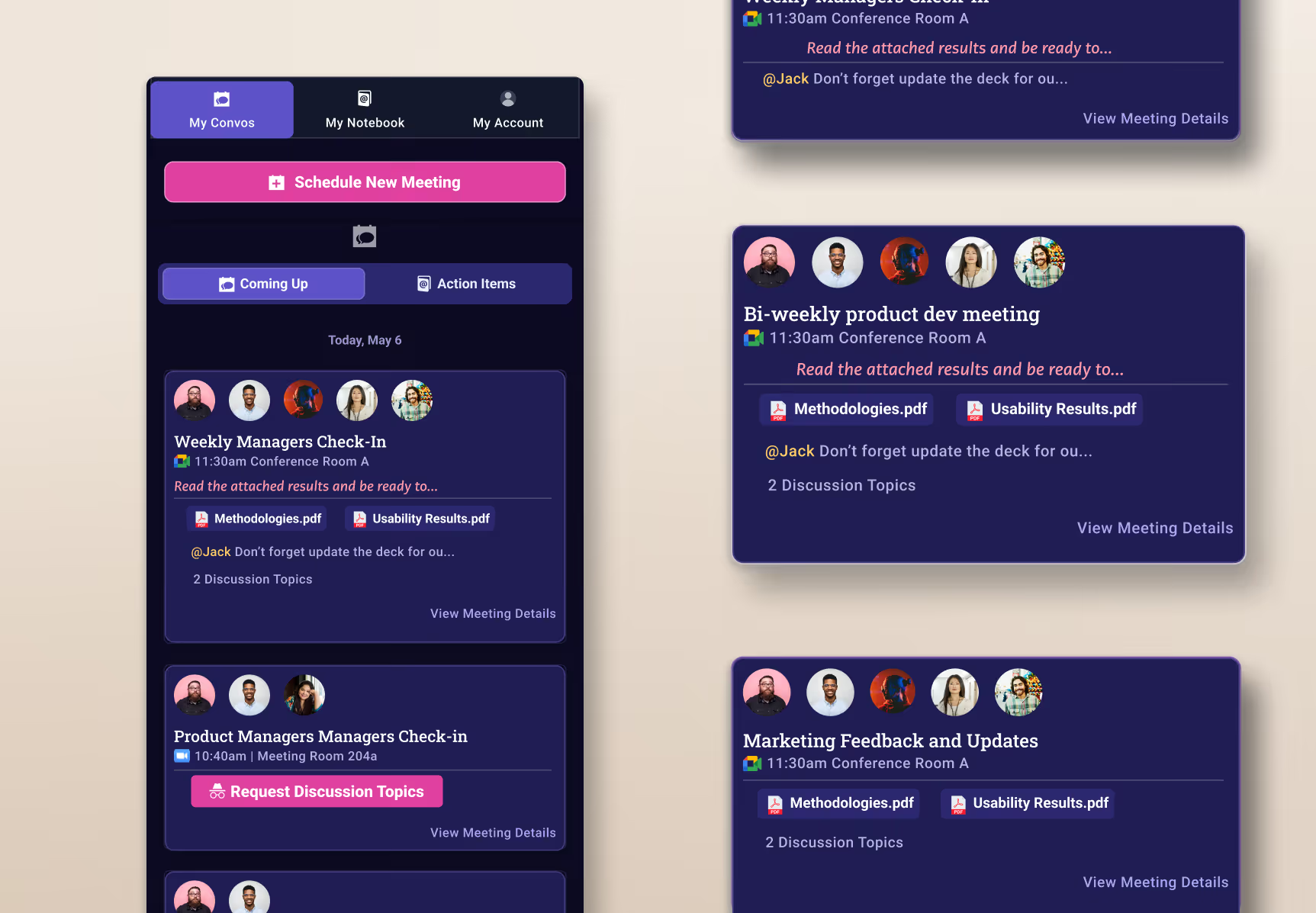
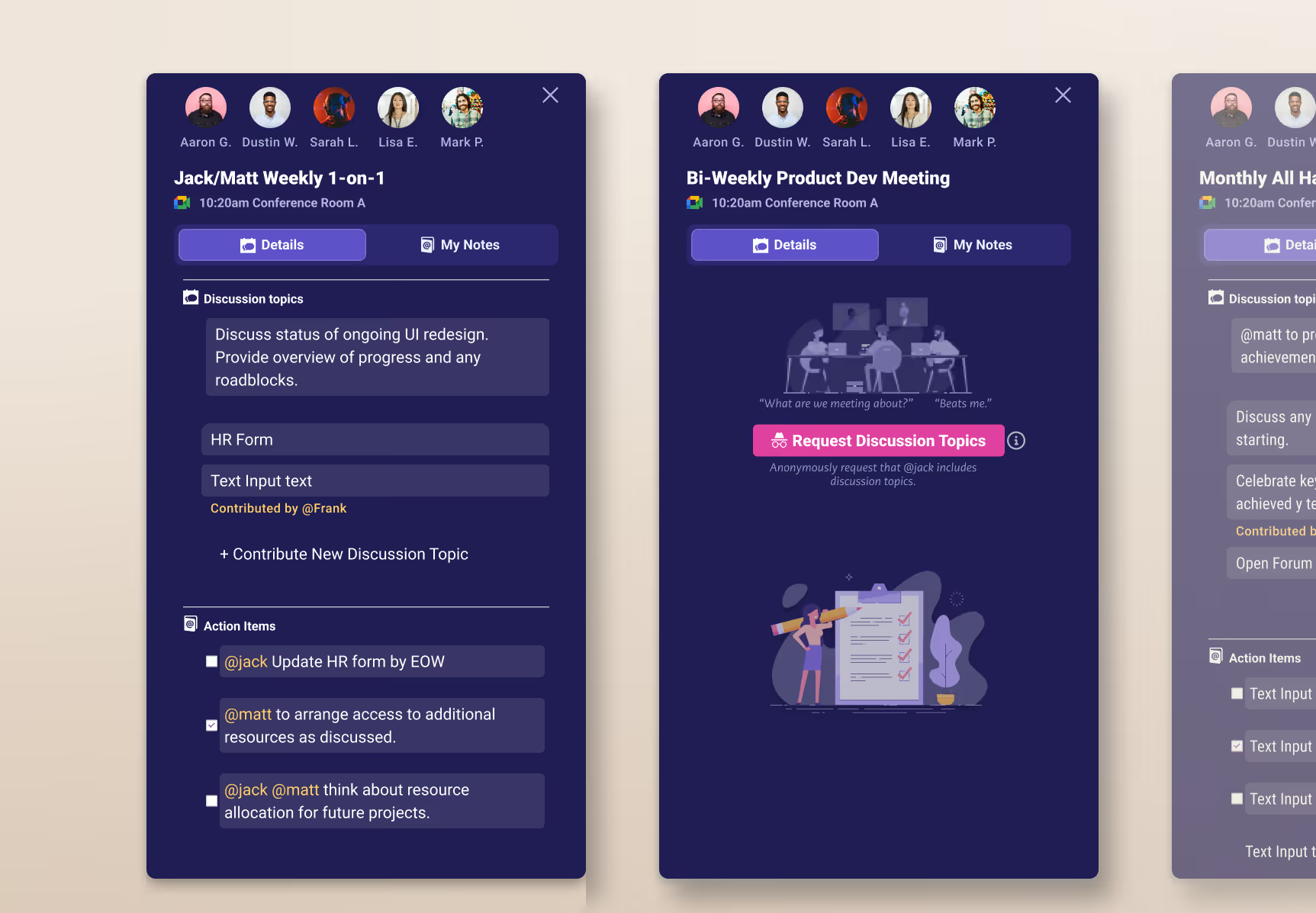
Every meeting gets its own card — agenda, notes, action items — automatically shared with every invitee the moment it's created. No manual distribution, no hunting through old threads.

The Meeting Card was the core unit of the product. Everything Aligned did either lived inside it or connected back to it. Getting that structure right early made everything else easier to design.
The Feature Everyone Asked For First
User Experience Design • User Interface Design • Visual Design
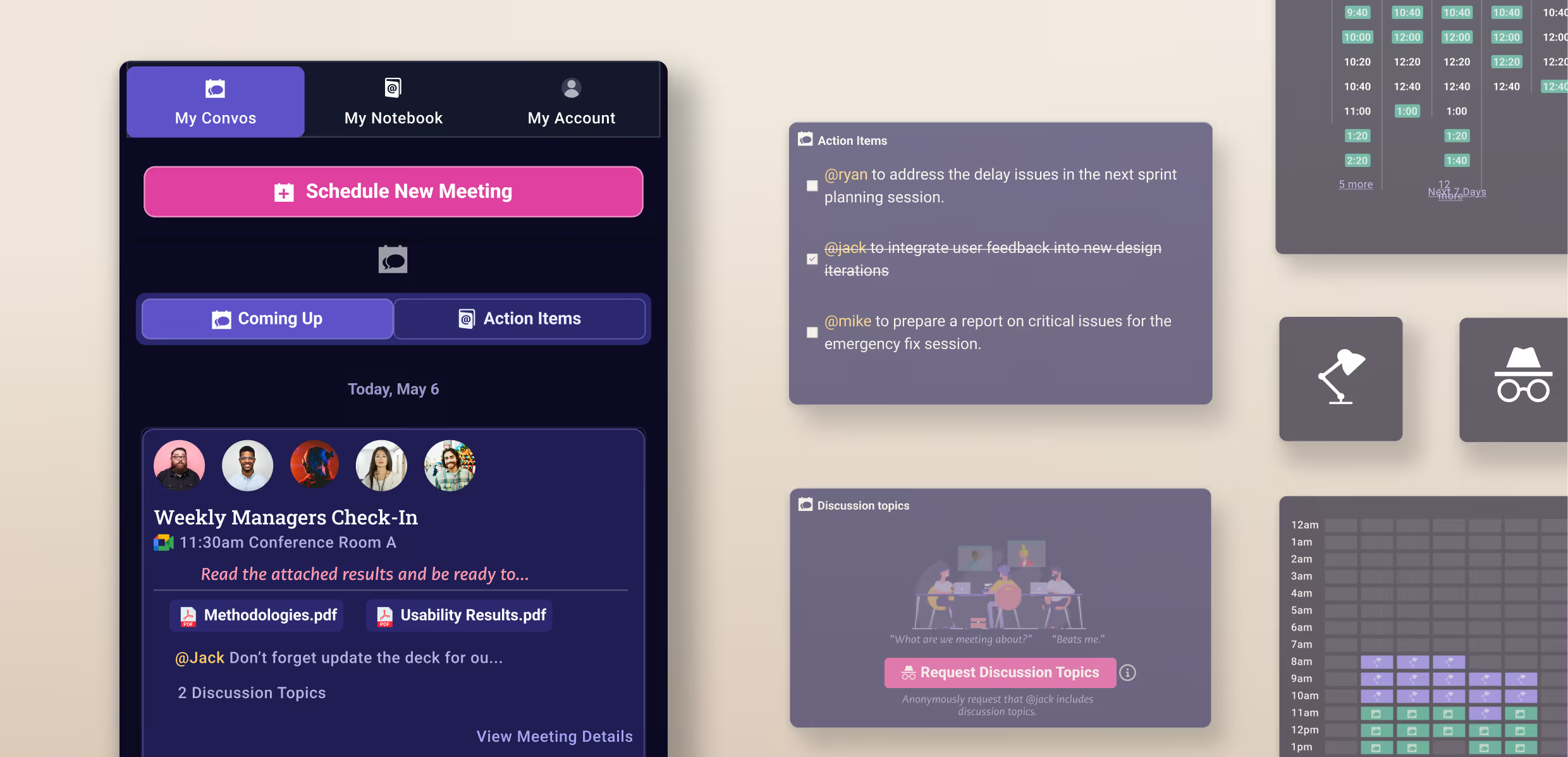
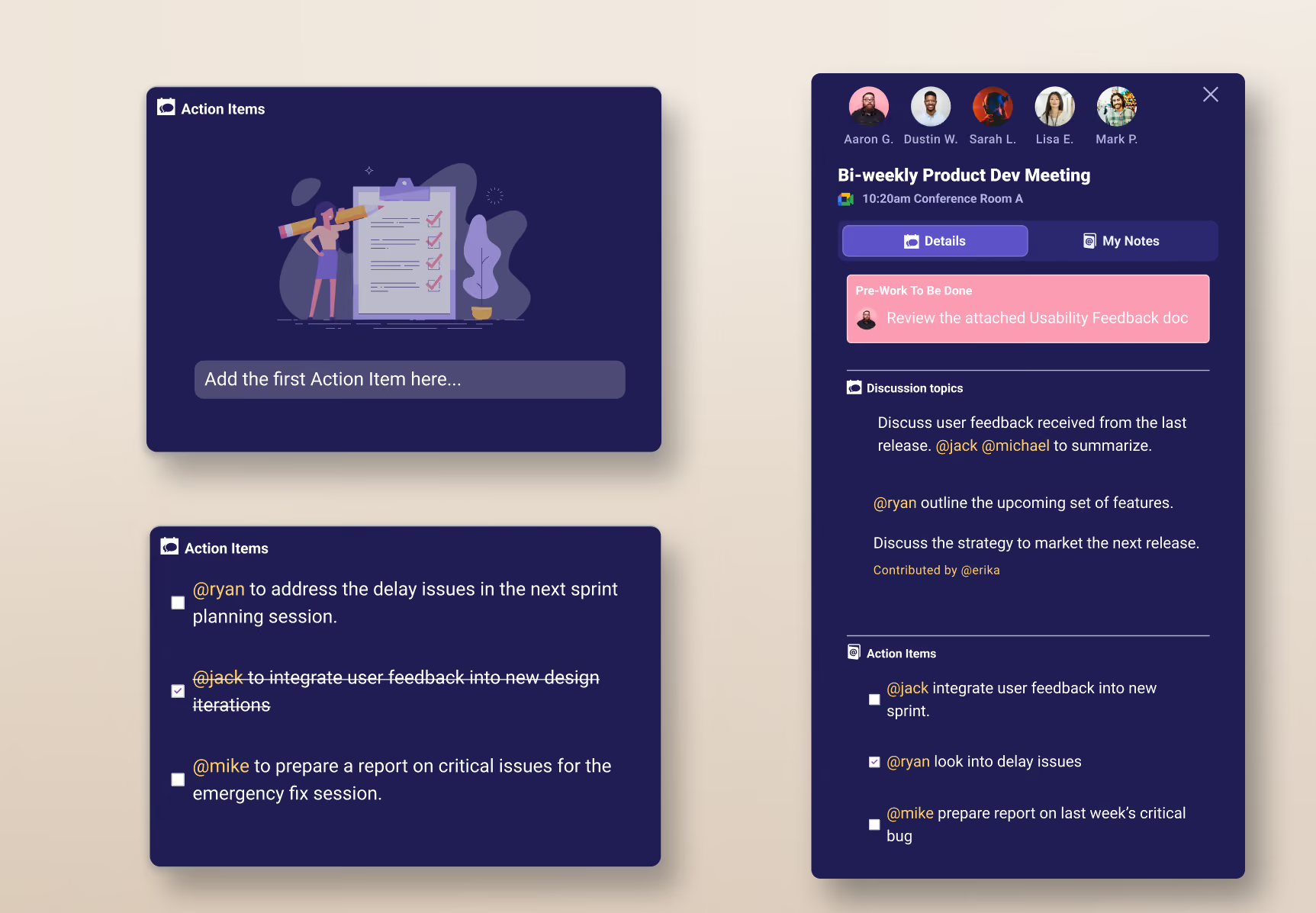
Action items came up in every research conversation. People weren't losing track of what was discussed — they were losing track of who owned what after the meeting ended.

The design lets anyone assign an action item to an attendee by tagging them inline. It saves automatically to that person's private Meeting Notebook. Visible enough to hold people accountable. Private enough to feel like theirs.
Makers Needed to Own Their Time.
User Experience Design • User Interface Design • Visual Design
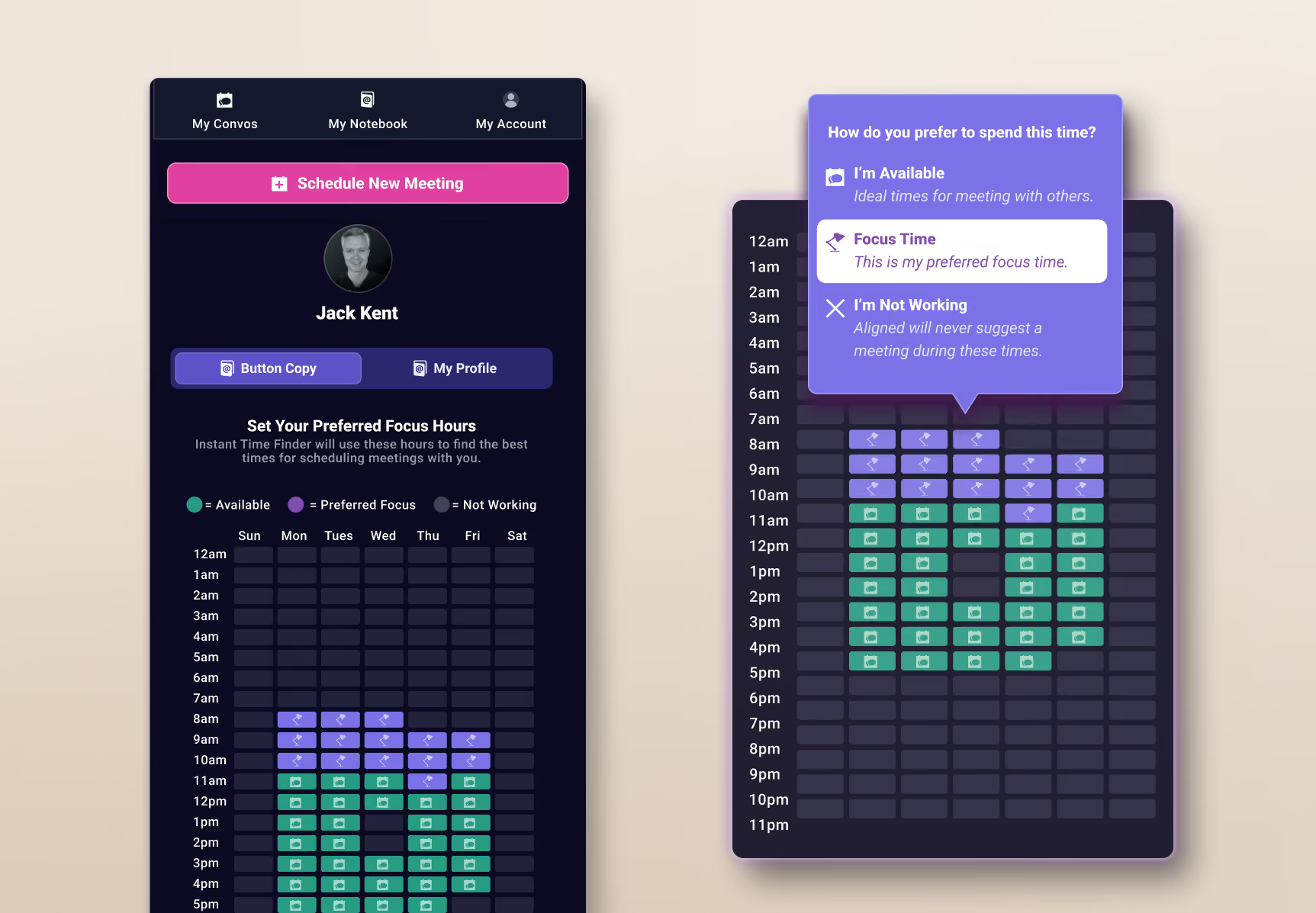
One thing came up consistently from makers in research: they didn't want fewer meetings so much as predictable time to do actual work.

The focus hours feature gave them a simple way to block time and signal it to the team. The UI was intentionally minimal — a tight, readable control inspired by Google Analytics' date picker. No learning curve. Just control.
Reframing GCal for One Specific Job
User Experience Design • User Interface Design • Visual Design
Google Calendar is built for everyone, which means it's optimized for no one in particular. Aligned's job was to take that familiar surface and reframe it — surfacing the right information, at the right moment, for people running and attending meetings.

That meant evaluating every GCal interaction and asking a simple question: is this helping, or is it just noise?
What Happened
Aligned launched, found early users, and validated the core thesis: people wanted meeting software that respected how they worked.

In 2021, I wound it down. Not because the product failed — because I recognized where I create the most value. Running a company solo taught me a lot about product thinking, prioritization under constraint, and what it actually takes to get something into people's hands. I came back to design leadership with a founder's perspective I bring to every team I work with now.