Creating the Grubhub Brand — From Inside the House
  • Creative Director
  • April – August 2010
  • User Interviews
  • Emotional Resonance Testing
  • Visual Design
  • Copy Writing
  •  
T
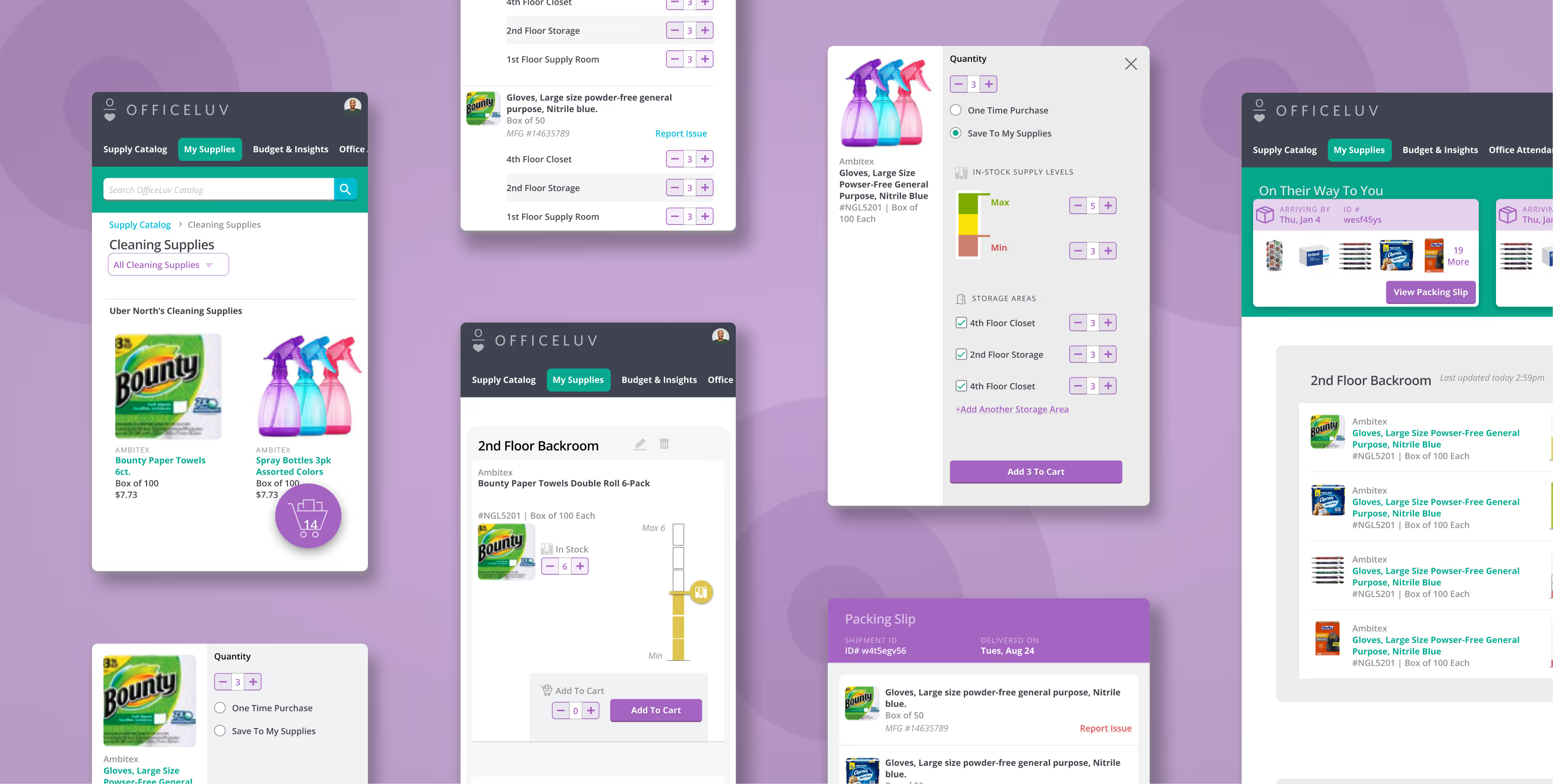
his project entailed the creation of an office management platform within a stringent three-month timeframe, necessitating close collaboration across various teams, including Engineering, Product, Account Management, and Product Requisition.
Before Any Visuals, We Established What Grubhub Had to Feel Like
Brand Strategy
Online food ordering in 2010 was still a trust problem as much as a convenience one. People were skeptical about handing their credit card to a website to handle their dinner. The brand had to work against that skepticism — not by being slick, but by being genuinely warm and honest. We grounded everything in three tenets: delight, authenticity, and transparency. These weren't aspirational values to put on a wall. They were filters. Every creative decision got tested against them. If something felt too corporate, too cold, or too clever, it didn't make it through.
Ads That Had to Earn Attention
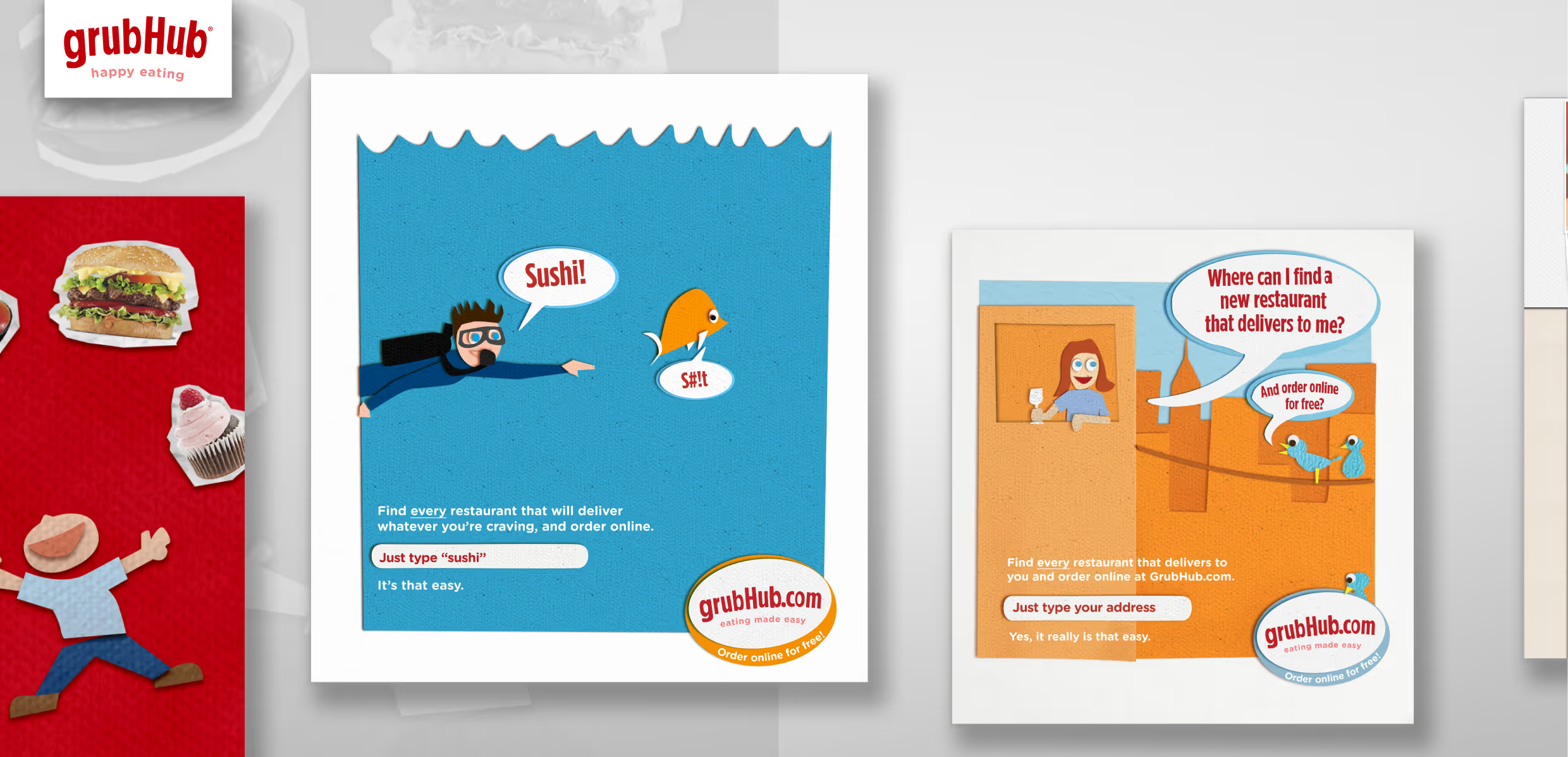
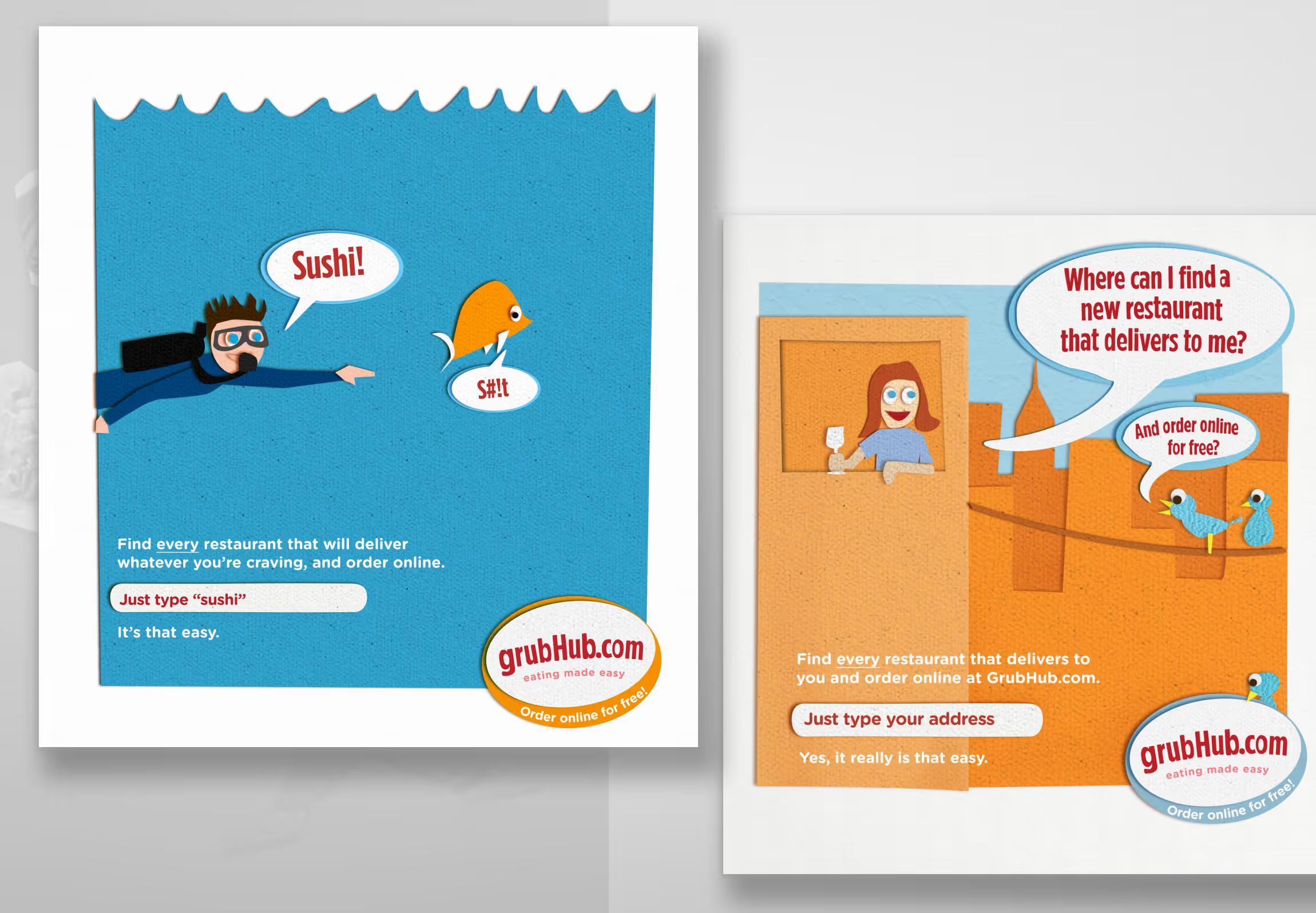
Effective Ads with Personality. Emphasis on Effective.
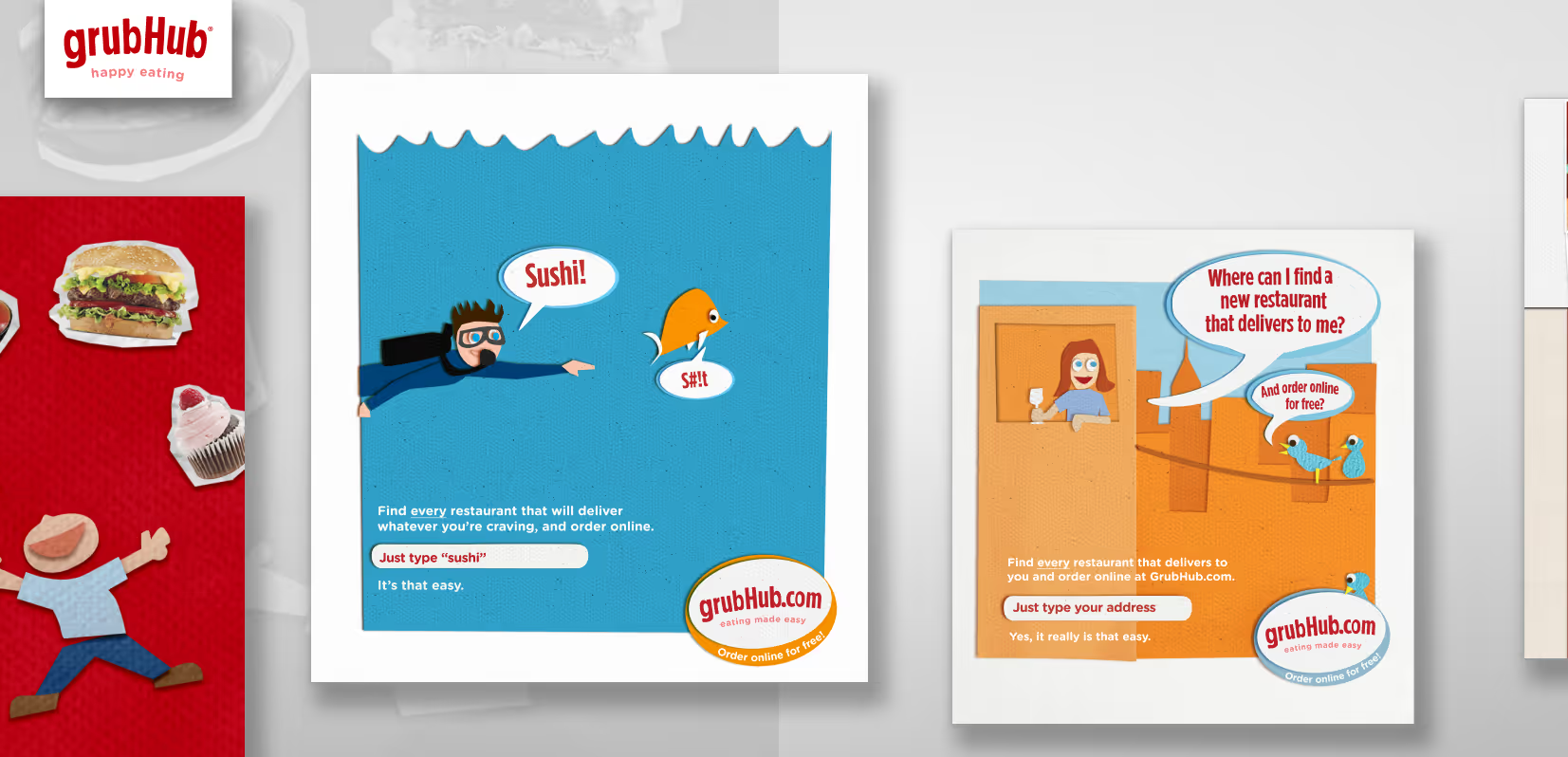
The transit campaigns ran across New York, Chicago, San Francisco, Boston, and LA — millions of commuters, five very different markets, one visual language. The creative had to work at a glance, in a crowded environment, for someone who wasn't looking for it. That constraint pushed us toward emotional clarity over cleverness: ads that made you feel something about food and convenience in the two seconds you had with them. We tested extensively to find what actually landed before anything went up on a wall or a subway car.

The campaigns drove a 20% increase in traffic in each city where they ran — measurable market expansion tied directly to the creative.
Every Image Was Designed to Make You Feel Something
Designing For Emotion
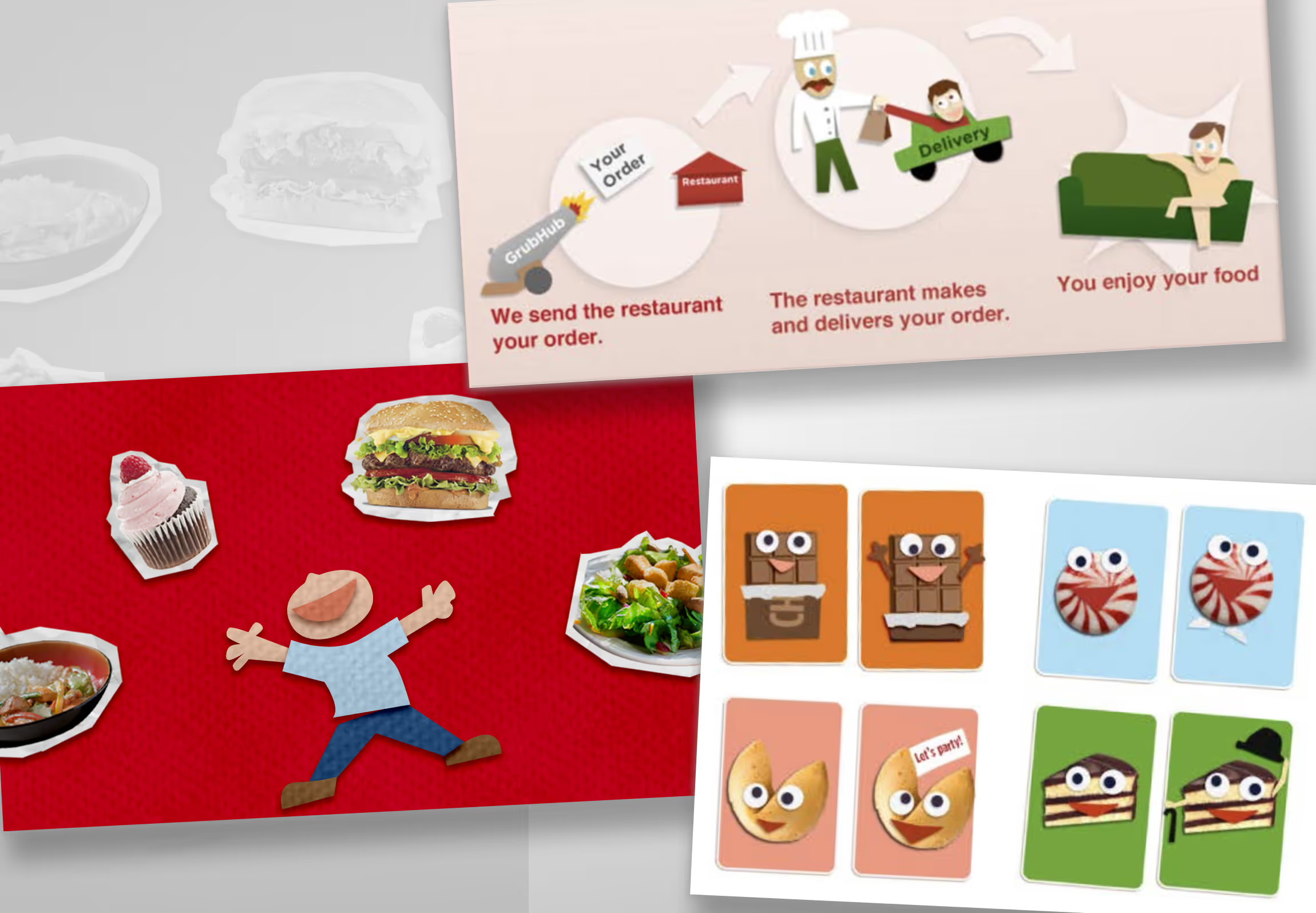
Food photography in 2010 was either aspirational and cold or cheap and forgettable. We wanted neither. The imagery we chose was warm, specific, and slightly unexpected — the kind of food that makes you hungry, shown in a way that felt real rather than styled.


The paper texture that became central to the visual system nearly didn't happen. We tested roughly 20 visual directions before landing on it — and that particular direction was thrown in almost as a placeholder, suggested by someone else on the team. Research told us it was the winner. It wasn't the direction anyone would have predicted going in. That's exactly why the testing process mattered.
We Built a Custom Font Because Nothing Off the Shelf Fit
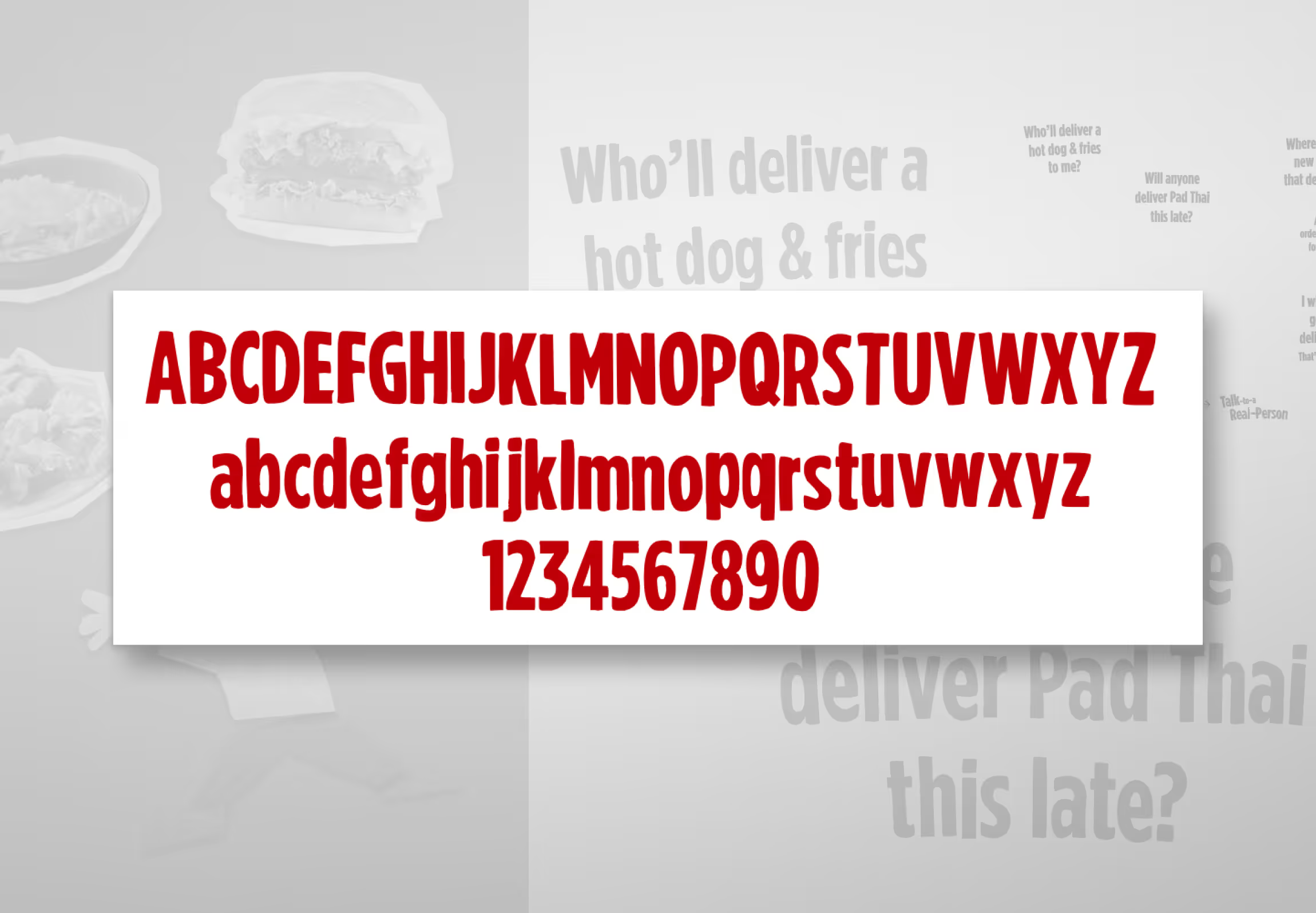
Unique and Distinct Typography
Once the handcrafted aesthetic was established as the visual foundation, it created a problem: no existing typeface felt right in it. Standard options looked borrowed. So we designed a custom font — letters drawn by hand, structurally informed by Gotham Condensed, but with the same warmth and irregularity as the rest of the brand system. The goal was to make sure that any word set in the Grubhub typeface felt unmistakably Grubhub, whether it appeared in a transit ad, on the homepage, or inside the product.
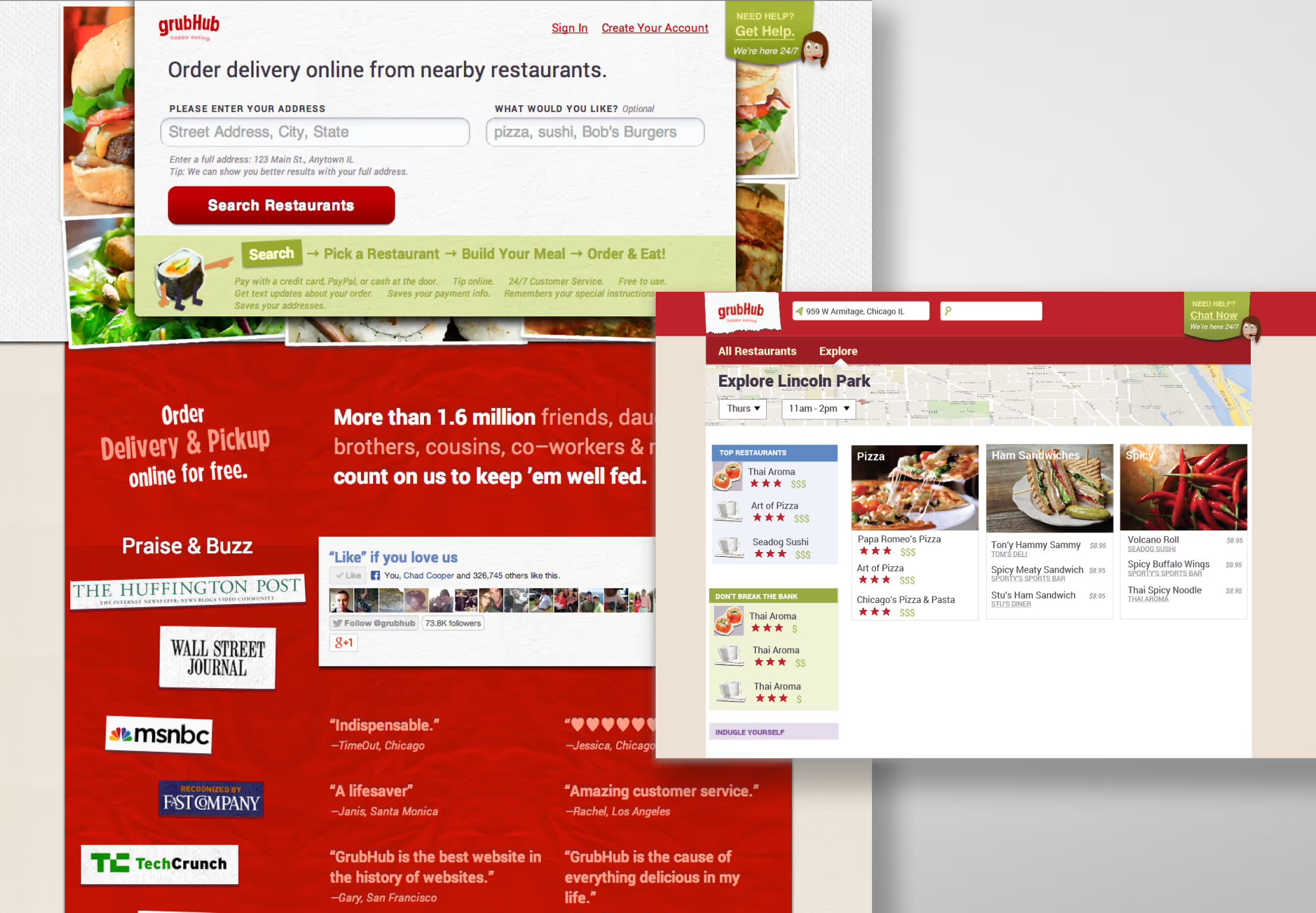
The Homepage Had to Do Brand Work and Conversion Work at the Same Time
Landing Page Design • Content strategy
The homepage was where the brand met the business. It had to communicate what Grubhub was to someone who'd never heard of it, build enough trust for them to enter their address, and do all of that without sacrificing the warmth and personality of the brand. The handcrafted visual system carried through the layout, but the page had to be clean and direct enough to actually convert. Personality without clarity is just noise — this had to be both.
We Finished the Logo Last — After the Ads Were Already Done
Logo Design
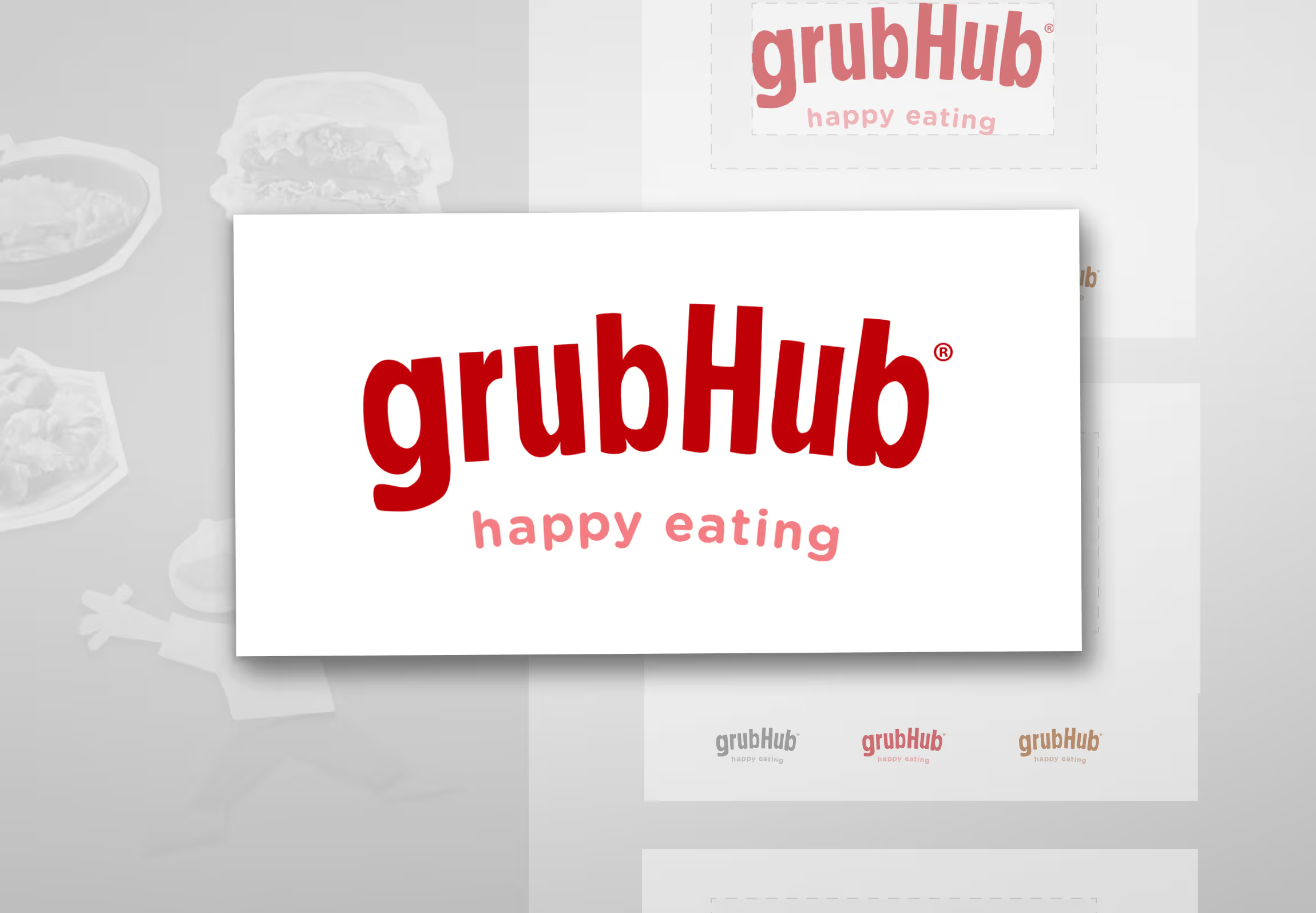
The wordmark had one job: feel approachable without feeling cheap, and energetic without feeling juvenile. That balance took longer to find than almost anything else in the project. We went through dozens of iterations, testing the logo against the ads, the homepage, and the broader visual system as it developed — which is why it ended up being the last thing we locked down, even after the ad campaign was already finished. In a conventional process, the logo comes first. Here, letting everything else inform it produced a better result.
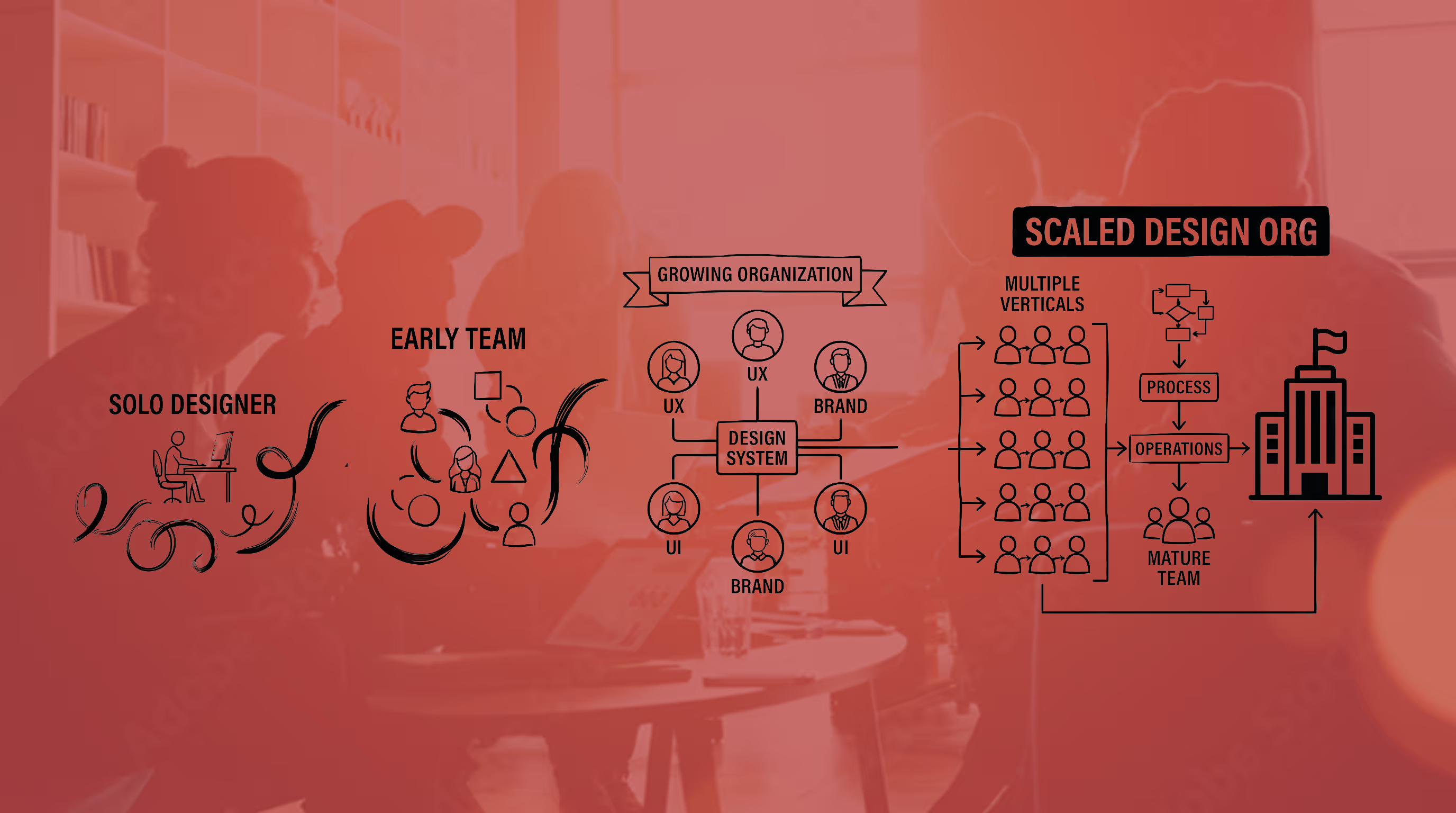
A Brand Built to Scale — and It Did
Creative Direction • Branding
The visual identity we built in 2010 had to grow with the company — through a merger with Seamless, through the IPO, through a design team that eventually scaled to 15 people. What made it durable wasn't polish. It was the clarity of the principles underneath it. When everyone understands what a brand is supposed to feel like and why, the system can be extended by people who weren't in the room when it was built. That's what a good brand foundation does. This one held.